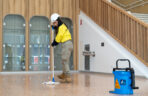
Why Professional Renovation Cleaning Matters After Every Building Project


Renovating a property is an exciting milestone, whether you’re modernising a family home, upgrading a retail space, or completing a commercial fit-out. New flooring, fresh paint, updated fixtures, and improved layouts can completely transform a space. However, once the trades have packed up and the renovation work is finished, one final task often stands between completion and occupancy renovation cleaning.
Unlike everyday household cleaning, renovation cleaning involves removing the fine construction dust, debris, paint splatters, adhesive residue, grout haze, and other materials that accumulate throughout the building process. These contaminants can settle on almost every surface, including cabinetry, skirting boards, window tracks, lighting fixtures, and even inside cupboards long after visible work has been completed.
Whether you’re a homeowner preparing to move back into a renovated property, a builder getting ready for client handover, or a property manager organising a refurbished rental, a thorough post-renovation clean helps ensure the space is clean, presentable, and ready for its next stage.
Across Perth and Melbourne, renovation projects range from kitchen and bathroom upgrades to office refurbishments, apartment developments, retail fit-outs, and new home construction. Each project generates its own cleaning challenges, making a structured post-construction cleaning process an important final step.
In this guide, we’ll explain what renovation cleaning involves, how it differs from regular cleaning, what a professional service typically includes, and how to decide whether specialist builders cleaning is the right solution for your project.
What Is Renovation Cleaning?
Renovation cleaning is a specialist cleaning service carried out after renovation, refurbishment, or construction work has been completed. Its purpose is to remove the dust, debris, and construction-related residue left behind so the property is ready for occupancy, inspection, presentation, or day-to-day use.
Unlike standard domestic cleaning, which focuses on maintaining an already clean environment, renovation cleaning deals with the unique by-products of building work. Fine plaster dust, sawdust, paint splashes, silicone residue, grout haze, and packaging materials often remain even after contractors have completed their work. These materials can spread throughout the property and settle into areas that aren’t immediately visible.
For this reason, renovation cleaning usually involves a more detailed and methodical approach than routine cleaning. Every room is assessed individually, with attention given to both visible surfaces and areas where construction dust commonly accumulates, such as window tracks, skirting boards, light fittings, wardrobes, and inside newly installed cabinetry.
Renovation Cleaning vs Regular House Cleaning
Many people assume that a standard house clean is enough after renovation work, but the two services are designed for very different purposes.
| Regular House Cleaning | Renovation Cleaning |
|---|---|
| Maintains an already clean home | Restores a property after building or renovation work |
| Removes everyday dust and dirt | Removes construction dust, debris, and building residue |
| Focuses on routine hygiene | Focuses on detailed post-construction cleaning |
| Uses standard household cleaning methods | Often requires specialist equipment, techniques, and products |
| Suitable for ongoing maintenance | Designed for one-off cleaning after renovation or construction |
The difference isn’t simply the amount of cleaning required It’s the type of contaminants involved. Construction dust is much finer than ordinary household dust and can continue settling for some time after work is completed if it isn’t removed systematically. Similarly, materials such as grout haze or adhesive residue often require appropriate cleaning methods to avoid affecting newly finished surfaces.
Residential and Commercial Renovation Projects
The scope of renovation cleaning varies depending on the property and the work completed.
For residential properties, this may involve:
- Kitchen renovations
- Bathroom upgrades
- Home extensions
- Interior remodelling
- Newly built homes
- Whole-house renovations
For commercial properties, renovation cleaning commonly supports:
- Office refurbishments
- Retail shop fit-outs
- Medical clinics
- Educational facilities
- Hospitality venues
- Warehouses and industrial spaces
While the cleaning requirements differ from one project to another, the objective remains the same: to remove post-construction residue carefully and prepare the space for its intended use.
Why Renovation Projects Leave Behind More Than Just Dust
When the visible building work is complete, it’s easy to assume the property only needs a quick vacuum and wipe-down. In reality, renovations often leave behind a combination of fine dust, surface residue, and construction materials that require a more detailed cleaning approach. The type and amount of residue will depend on the scope of the project, but even smaller renovations can affect areas well beyond the immediate work zone.
Understanding what remains after construction helps explain why renovation cleaning is considered a specialist service rather than a standard house clean.
Fine Construction Dust
Construction dust is one of the biggest challenges after any renovation. Activities such as sanding plaster, cutting timber, drilling, tiling, and installing cabinetry create microscopic dust particles that become airborne before settling throughout the property.
Unlike everyday household dust, construction dust often finds its way into:
- Window tracks and frames
- Skirting boards
- Door frames
- Air-conditioning vents
- Light fittings
- Inside cupboards and drawers
- Wardrobes and shelving
- Behind appliances
- Corners and hard-to-reach areas
One of the reasons homeowners are surprised after renovations is that dust can continue to settle even after an initial clean. As people move through the property or ventilation systems operate, fine particles trapped on higher surfaces can gradually fall onto floors and furniture. A systematic cleaning process helps minimise this ongoing issue by addressing both obvious and hidden dust accumulation.
Paint Splatters and Surface Marks
Painting is usually one of the final stages of a renovation, but it can leave small splatters or marks on surrounding surfaces despite careful preparation.
These may appear on:
- Window glass
- Door hardware
- Tiles
- Flooring
- Benchtops
- Skirting boards
- Light switches
- Fixtures and fittings
Removing paint residue isn’t simply a matter of scrubbing harder. Different surfaces require appropriate cleaning methods to avoid scratching glass, damaging painted finishes, or affecting delicate materials. Professional cleaners assess the surface first and use techniques suited to the type of residue and finish.
Adhesive and Silicone Residue
Modern renovation projects often involve protective films, tapes, sealants, and adhesives. Once installation is complete, small amounts of residue may remain on finished surfaces.
Common examples include:
- Protective film adhesive on windows
- Tape residue on frames
- Silicone smears around sinks or splashbacks
- Installation marks on cabinetry
- Labels left on new fixtures
These marks can be difficult to remove with general household cleaners and may require suitable products and careful application to protect newly installed materials.
Grout Haze on Tiled Surfaces
If your renovation includes new tiles, you may notice a cloudy or dull film after the grout has cured. This is commonly known as grout haze.
Grout haze can affect:
- Bathroom floors
- Shower walls
- Kitchen splashbacks
- Laundry areas
- Entryways
- Commercial amenities
Although it may resemble ordinary dust, grout haze is a thin cement-based residue left during the tiling process. Removing it often requires specialised cleaning methods that restore the intended appearance of the tiles without harming the grout or surface finish.
Building Debris and Packaging Materials
Once trades have completed their work, there may still be leftover construction materials or debris around the property. While builders generally remove major waste as part of their project responsibilities, smaller remnants can remain behind.
These may include:
- Sawdust
- Timber offcuts
- Cardboard packaging
- Plastic wrapping
- Protective coverings
- Small pieces of plasterboard
- Fasteners or fixings
- Cement dust around work areas
Removing this material is an important part of preparing the property for everyday use and helps create a cleaner, safer, and more organised environment.
Fingerprints, Smudges and Final Detailing
Even after the renovation itself is complete, tradespeople will have handled doors, windows, cabinetry, appliances, and fixtures multiple times during installation.
This often leaves:
- Fingerprints on glass
- Smudges on stainless steel
- Dust on light fittings
- Marks on cabinetry
- Residue on mirrors
- Dirt around newly installed fixtures
These finishing touches may seem minor individually, but together they can significantly affect the overall presentation of a newly renovated space. A comprehensive final clean focuses on these details, helping the quality of the renovation stand out.
Why a Detailed Cleaning Process Matters
Every renovation project is different. A bathroom upgrade won’t generate the same amount of dust as a full home extension, and a commercial office refurbishment has different cleaning priorities than a residential kitchen renovation. That’s why the scope of work should always reflect the property’s size, the type of renovation completed, and the level of construction residue present.
Rather than relying on a quick surface clean, a structured post renovation cleaning process addresses the areas most affected by building work, ensuring the property is clean, presentable, and ready for its next stage whether that’s moving back in, welcoming staff, preparing for a client walkthrough, or marketing the property.
What Does a Professional Renovation Cleaning Service Include?
No two renovation projects are exactly alike, so the scope of a professional clean should always be tailored to the property, the work completed, and the level of post-construction residue. A kitchen renovation has different cleaning requirements from a full office refurbishment, while a newly built home requires a more comprehensive clean than a single-room upgrade.
Rather than focusing only on visible dirt, professional renovation cleaning follows a structured process that removes construction dust, tackles building residue, and prepares the property for comfortable use or presentation.
Below are the key components typically included in a professional post-renovation clean.
Construction Dust Removal
Construction dust is usually the first priority because it spreads throughout the property during renovation work. Fine particles can settle on almost every surface, including places that aren’t immediately noticeable.
A thorough dust removal process may include cleaning:
- Walls and ceilings where accessible
- Window sills and frames
- Skirting boards and architraves
- Doors and door frames
- Light switches and power points
- Shelving and wardrobes
- Air-conditioning vents and accessible grilles
- Cornices and ledges
- Inside cupboards and drawers
- Furniture or fixtures installed during the renovation (where applicable)
Professional cleaners typically work from top to bottom, allowing dust to fall before floors receive their final clean. This method helps avoid recontaminating areas that have already been cleaned.
Kitchen Cleaning
Kitchens often require some of the most detailed work after a renovation because new cabinetry, benchtops, splashbacks, and appliances can all collect dust during installation.
A renovation clean may include:
- Cleaning inside and outside cupboards
- Wiping shelves and drawers
- Cleaning benchtops
- Removing dust from splashbacks
- Cleaning sinks and taps
- Polishing stainless steel surfaces
- Removing installation dust from appliance exteriors
- Cleaning kickboards
- Detailing handles and hardware
Even if the kitchen appears clean at first glance, fine dust frequently settles inside cupboards before the doors are fitted or while trades continue working nearby.
Bathroom Cleaning
Bathrooms often contain a combination of construction dust, grout residue, silicone marks, and fingerprints left during installation.
Typical cleaning tasks include:
- Cleaning shower screens
- Wiping wall and floor tiles
- Removing grout haze where appropriate
- Cleaning mirrors
- Sanitising basins and toilets
- Cleaning vanities
- Polishing taps and fittings
- Cleaning exhaust covers
- Wiping shelving and storage units
The goal is to leave newly installed fixtures looking their best while using cleaning methods suitable for modern finishes.
Window and Glass Cleaning
Glass surfaces quickly reveal dust, smudges, and paint splatters after renovation work. A professional clean focuses on restoring clarity without damaging surrounding materials.
Depending on the project, this may include:
- Internal window cleaning
- Glass door cleaning
- Frame detailing
- Window sill cleaning
- Track cleaning
- Removing stickers or protective film residue
- Cleaning mirrors
- Polishing internal glass panels
Window tracks deserve particular attention because they often collect plaster dust, sawdust, and small construction debris that can be difficult to remove once compacted.
Paint, Adhesive and Residue Removal
Renovation work commonly leaves behind small marks that require careful attention rather than aggressive scrubbing.
Examples include:
- Paint splatters on glass
- Adhesive residue from protective films
- Silicone smears
- Tape marks
- Pencil markings left during installation
- Minor construction residue on finished surfaces
Professional cleaners select suitable cleaning techniques based on the surface involved, helping protect newly installed fixtures, flooring, and joinery while removing unwanted residue.
Floors and Surface Cleaning
Floors often collect the highest concentration of construction dust and debris because they become the main traffic route throughout the renovation.
The cleaning approach depends on the flooring material.
Hard Floors
For surfaces such as tiles, timber, vinyl, laminate, or polished concrete, cleaning may include:
- Vacuuming loose dust and debris
- Damp mopping with appropriate products
- Removing light construction residue
- Cleaning corners and edges
- Detailing around skirting boards
Different flooring materials have different maintenance requirements, so the cleaning method should be chosen accordingly.
Carpeted Areas
Where carpet is present, attention focuses on removing fine dust that may have settled into the fibres during renovation work. Depending on the level of contamination, additional professional carpet cleaning may be recommended to complement the renovation clean, particularly after major construction or whole-home renovations.
Skirting Boards, Doors and Joinery
One of the defining features of a quality builders clean is attention to detail.
Areas often overlooked during general cleaning include:
- Skirting boards
- Architraves
- Door frames
- Hinges
- Built-in wardrobes
- Shelving
- Cabinet exteriors
- Internal joinery
- Stair railings
Cleaning these surfaces removes the fine layer of dust that can remain visible when sunlight enters the room, helping the finished renovation look complete.
Fixtures, Fittings and Finishing Touches
The final detailing stage focuses on the smaller elements that contribute to the overall presentation of the property.
This may include cleaning:
- Light fittings
- Ceiling fans
- Switches
- Power outlets
- Door handles
- Cabinet handles
- Mirrors
- Glass balustrades
- Stainless steel fixtures
These finishing touches create a polished appearance and help showcase the quality of the renovation.
Final Presentation Clean
Once all detailed cleaning tasks have been completed, the property receives a final inspection to identify any remaining dust, smudges, or missed areas.
Depending on the project, this stage may involve:
- Checking high-touch surfaces
- Spot-cleaning glass and mirrors
- Removing any remaining fingerprints
- Ensuring floors are clean and presentable
- Confirming rooms are ready for their intended use
For builders and developers, this final stage supports a professional presentation before client walkthroughs or project handover. For homeowners, it means moving back into a space that feels clean, fresh, and ready to enjoy.
Is Every Renovation Cleaning Project the Same?
No. The scope of work varies according to several factors, including:
| Factor | How It Can Affect the Cleaning Scope |
|---|---|
| Property size | Larger properties generally require more time and detailed cleaning. |
| Type of renovation | A kitchen upgrade differs significantly from a whole-home renovation or commercial fit-out. |
| Construction residue | The amount of dust, paint, grout haze, or debris influences the cleaning required. |
| Surface materials | Timber, glass, tiles, stone, vinyl, and carpet each require appropriate cleaning methods. |
| Project timeline | Some projects benefit from staged cleaning before the final detailed clean. |
| Occupancy plans | Cleaning requirements may differ depending on whether the property is being occupied, marketed, or handed over. |
A professional renovation cleaning service is therefore not a one-size-fits-all solution. Instead, the cleaning scope should reflect the specific needs of the property, ensuring the finished space is presented at its best while protecting newly installed materials and finishes.
Residential vs Commercial Renovation Cleaning: Understanding the Different Requirements
While the objective of renovation cleaning is the same across all projects to remove construction residue and prepare the property for use the cleaning approach can vary significantly depending on the type of building.
A newly renovated family home has different priorities from a commercial office, retail store, or apartment development. Factors such as property size, foot traffic, building layout, access, and intended use all influence the cleaning process.
Understanding these differences helps property owners, builders, and facility managers choose a cleaning solution that matches their project’s specific requirements.
Residential Renovation Cleaning
Home renovations often focus on improving comfort, functionality, and property value. Whether it’s a single-room upgrade or a complete home transformation, the goal of renovation cleaning is to ensure the space is ready for everyday living.
Common residential projects include:
- Kitchen renovations
- Bathroom remodels
- Home extensions
- Interior repainting
- New home builds
- Laundry renovations
- Living area upgrades
- Whole-house refurbishments
Although these projects may appear complete once the trades leave, construction dust and residue often remain throughout the home.
Typical Residential Cleaning Priorities
Professional cleaners generally pay close attention to areas where homeowners will immediately notice cleanliness, such as:
- Kitchen cupboards and drawers
- Benchtops and splashbacks
- Bathroom fixtures
- Mirrors and shower screens
- Window frames and tracks
- Wardrobes and storage spaces
- Skirting boards
- Floors throughout the home
- Internal doors and handles
These details contribute to a home that feels genuinely finished rather than simply renovated.
Supporting a Comfortable Move Back In
For many homeowners, renovation cleaning is the final step before moving furniture back into place or returning to normal daily routines.
A detailed clean helps:
- Remove lingering construction dust
- Improve the overall presentation of new finishes
- Prepare kitchens and bathrooms for immediate use
- Reduce the amount of cleaning homeowners need to complete themselves
- Make the transition back into the renovated space more enjoyable
Commercial Renovation Cleaning
Commercial renovation projects present a different set of challenges. Businesses often work within strict project timelines, and cleaning must be coordinated alongside contractors, project managers, and building owners.
Typical commercial projects include:
- Office refurbishments
- Retail shop fit-outs
- Medical clinic upgrades
- Hospitality venue renovations
- Educational facilities
- Warehouses
- Apartment common areas
- Industrial premises
The focus extends beyond appearance to ensuring the premises are clean, organised, and ready for staff, customers, tenants, or visitors.
Common Commercial Cleaning Priorities
Commercial renovation cleaning may involve:
- Large open-plan workspaces
- Reception areas
- Meeting rooms
- Retail display floors
- Customer entrances
- Staff amenities
- Kitchens and breakout areas
- Internal glass partitions
- Stairwells
- Lift lobbies
- Storage rooms
Cleaning schedules may also need to align with business reopening dates or project milestones to minimise disruption.
Renovation Cleaning for Builders and Developers
Builders and developers often require specialist cleaning as one of the final stages of a construction or renovation project.
Their priorities typically include:
- Removing construction residue
- Presenting completed workmanship clearly
- Preparing properties for client walkthroughs
- Supporting project completion schedules
- Coordinating cleaning around final trade activities
For larger developments, cleaning may be completed in stages, allowing different areas of the project to be prepared as construction progresses.
Examples include:
- Display homes
- Apartment developments
- Commercial buildings
- Multi-unit residential projects
- Office complexes
A staged approach can help maintain workflow while ensuring completed areas remain presentable.
Renovation Cleaning for Property Managers
Property managers often oversee renovation work between tenancies or before marketing a property for lease or sale.
Following refurbishment, professional cleaning can help prepare the property for:
- Property inspections
- Photography and marketing
- Tenant move-ins
- Owner handovers
- Scheduled viewings
The exact cleaning requirements will depend on the property’s condition, the renovation work completed, and any expectations outlined in the tenancy agreement or management plan.
Comparing Residential and Commercial Renovation Cleaning
| Residential Renovation Cleaning | Commercial Renovation Cleaning |
|---|---|
| Focuses on homes and living spaces | Focuses on business and public environments |
| Kitchens, bathrooms, bedrooms, and living areas | Offices, retail stores, warehouses, clinics, and hospitality venues |
| Prioritises comfort and presentation | Prioritises operational readiness and professional presentation |
| Usually scheduled before homeowners move back in | Often coordinated around reopening dates or project completion milestones |
| Scope depends on household renovation work | Scope depends on building size, business type, and project complexity |
While the objectives differ slightly, both require careful attention to construction dust, surface residue, and the final presentation of the property.
Why Every Project Needs a Tailored Cleaning Plan
No two renovation projects generate the same cleaning requirements.
A bathroom renovation may require detailed tile and glass cleaning, while a large office refurbishment may involve extensive dust removal across multiple workspaces. Similarly, a retail fit-out might require careful detailing of display areas before opening to customers.
A professional cleaning provider will typically assess factors such as:
- Property size
- Type of renovation
- Level of construction residue
- Surface materials
- Accessibility
- Project timeline
- Occupancy plans
This allows the cleaning scope to be tailored to the property’s specific needs rather than relying on a standard checklist.
How Aussie Centrals Supports Residential and Commercial Projects
Whether it’s a family home in Perth, a retail refurbishment in Melbourne, or a multi-unit development nearing completion, renovation cleaning should reflect the unique demands of the project.
Aussie Centrals provides Builders & Post-Construction Cleaning services for both residential and commercial properties, adapting the cleaning process to suit the size, condition, and complexity of each site. From removing fine construction dust to detailing newly installed fixtures and preparing spaces for occupancy, the focus is on delivering a thorough clean that complements the quality of the completed renovation.
By tailoring the cleaning scope to each project, homeowners, builders, developers, and property managers can move confidently into the next stage—whether that’s welcoming occupants, reopening a business, or presenting a finished property.
DIY vs Professional Renovation Cleaning: Which Option Is Right for Your Project?
Once the renovation work is complete, many property owners ask the same question: Should I clean the property myself or hire a professional renovation cleaning service?
The answer depends on several factors, including the size of the renovation, the amount of construction residue, the available time, and the condition of the property. While a small decorating project may only require a detailed household clean, larger renovations and construction projects often benefit from a specialist post-construction cleaning process.
Understanding the advantages and limitations of each option can help you decide which approach is best suited to your project.
When DIY Renovation Cleaning May Be Suitable
For smaller projects with limited dust and minimal construction residue, a DIY clean can be a practical option.
Examples include:
- Repainting a single room
- Replacing flooring in one area
- Installing new wardrobes
- Minor cosmetic upgrades
- Small home improvement projects
If the renovation has generated only a small amount of dust and no specialised residue, homeowners may be able to restore the space using standard cleaning equipment and enough time.
Typical DIY tasks include:
- Vacuuming loose dust
- Wiping hard surfaces
- Cleaning windows
- Mopping floors
- Removing packaging materials
- Cleaning cupboards and shelves
However, even smaller projects often require more attention than initially expected, particularly when dust has spread into adjoining rooms.
Challenges of DIY Renovation Cleaning
Although cleaning your own property may seem straightforward, renovation work often creates challenges that aren’t immediately visible.
Fine Dust Can Travel Throughout the Property
Construction dust is extremely fine and can spread well beyond the renovation area.
It commonly settles inside:
- Window tracks
- Built-in wardrobes
- Air-conditioning vents
- Light fittings
- Kitchen cupboards
- Storage cabinets
Without a systematic cleaning process, dust may continue settling even after the property appears clean.
Time Requirements Are Often Underestimated
Many homeowners plan to complete the cleaning over a weekend, only to discover that detailed cleaning takes considerably longer.
Tasks such as:
- Cleaning every cupboard
- Washing skirting boards
- Removing residue from windows
- Cleaning door frames
- Detailing newly installed fixtures
can quickly become time-consuming, especially after larger renovation projects.
Different Surfaces Require Different Cleaning Methods
Modern renovations often include a mix of materials such as:
- Engineered stone or natural stone benchtops
- Timber flooring
- Porcelain tiles
- Glass panels
- Stainless steel fixtures
- Painted cabinetry
Each surface may require a different cleaning approach. Using unsuitable products or abrasive tools can affect the appearance of newly installed finishes, making it important to follow manufacturer care recommendations where available.
When Professional Renovation Cleaning Is Recommended
Professional cleaning is generally the more practical choice when a project involves significant construction work or multiple trades.
This may include:
- Whole-home renovations
- Kitchen and bathroom renovations completed together
- Home extensions
- Newly built homes
- Apartment developments
- Commercial fit-outs
- Retail refurbishments
- Office renovations
- Large-scale residential upgrades
These projects often produce enough dust and residue to justify a more comprehensive cleaning process.
Benefits of Professional Renovation Cleaning
A specialist cleaning team brings experience, planning, and equipment designed for post-construction environments.
A Structured Cleaning Process
Professional renovation cleaning is usually completed in a logical sequence, working from high surfaces down to floors.
This approach helps:
- Prevent dust from resettling on cleaned areas
- Improve cleaning efficiency
- Ensure greater attention to detail
- Cover hidden areas that are easily overlooked
Experience With Construction Residue
Builders cleaning involves more than vacuuming and mopping.
Professional cleaners regularly deal with:
- Construction dust
- Paint splatters
- Adhesive residue
- Silicone marks
- Grout haze
- Fingerprints on newly installed fixtures
- Fine debris around windows and joinery
Understanding how these materials behave helps cleaners choose appropriate cleaning techniques for different surfaces.
Professional-Grade Equipment
Depending on the project’s scope, specialist cleaners may use commercial-grade equipment designed for larger or more detailed cleaning tasks.
Examples include:
- High-performance vacuum systems
- Extension tools for elevated surfaces
- Microfibre cleaning systems
- Professional floor cleaning equipment
- Specialised glass cleaning tools
The equipment used will vary according to the property’s requirements and should always be suitable for the surfaces being cleaned.
Saves Valuable Time
For builders, contractors, and business owners, time is often one of the biggest considerations. Instead of spending days cleaning after construction work, a professional team can complete the process while allowing homeowners to organise their move back in or businesses to prepare for reopening. This can be particularly valuable when projects are working towards tight completion schedules.
DIY vs Professional Renovation Cleaning
| DIY Cleaning | Professional Renovation Cleaning |
|---|---|
| Suitable for smaller projects | Suitable for projects of all sizes, especially larger renovations |
| Uses household cleaning equipment | Uses professional-grade equipment where appropriate |
| Time commitment falls on the homeowner or business | Cleaning is handled by an experienced team |
| May overlook hidden construction dust | Focuses on visible and less obvious areas affected by renovation work |
| Best for light cleaning tasks | Well suited to projects involving significant construction residue |
Questions to Ask Before Deciding
Before choosing between DIY and professional cleaning, consider the following:
- How extensive was the renovation?
- How much construction dust is present?
- Are there paint splatters, grout haze, or adhesive residue to remove?
- Do you have enough time to complete a detailed clean?
- Are there delicate finishes that require careful cleaning?
- Is the property being prepared for occupancy, marketing, or a client handover?
If several of these factors apply, engaging a specialist renovation cleaning service may be the more practical option.
Choosing the Right Approach for Your Project
There isn’t a single solution that suits every renovation.
A homeowner repainting a guest bedroom may only require a thorough household clean, while a developer completing a multi-unit apartment project will typically require a comprehensive builders clean before the properties are presented. The most effective approach is to match the cleaning method to the scale and complexity of the renovation.
For larger residential renovations, commercial refurbishments, and construction projects in Perth and Melbourne, a professional Builders & Post-Construction Cleaning service can help remove construction residue efficiently and prepare the property for its next stage—whether that’s moving in, reopening for business, or presenting the completed project to clients.
When Should Renovation Cleaning Be Scheduled?
Timing is one of the most overlooked aspects of a successful renovation project. Even the most thorough cleaning can become ineffective if it’s carried out too early, while leaving the clean until long after construction is complete can allow dust and residue to settle more deeply into the property.
Ideally, renovation cleaning should be planned as one of the final stages of the project, once the majority of construction work has been completed and the site is ready for detailed cleaning.
For homeowners, this means returning to a home that’s ready to enjoy. For builders and contractors, it helps present completed work professionally. For commercial properties, it supports a smoother transition before staff, tenants, or customers begin using the space.
Schedule Cleaning After Major Building Work Is Complete
In most cases, renovation cleaning should take place only after the primary construction activities have finished.
This generally means:
- Carpentry work is complete
- Painting has been finished
- Tiling and grouting have cured where required
- Cabinetry has been installed
- Fixtures and fittings are in place
- Electrical and plumbing fit-offs are complete
- Major construction waste has been removed
If tradespeople are still sanding, cutting materials, or carrying out dusty work, a detailed clean may need to be repeated afterwards.
Consider Staged Cleaning for Larger Projects
For larger residential renovations, commercial refurbishments, or multi-stage construction projects, cleaning may be carried out in phases rather than all at once. A staged approach can improve efficiency and help maintain the condition of completed areas as the project progresses.
Stage 1: Initial Site Clean
Typically completed after the bulk of construction work.
The focus may include:
- Removing loose debris
- Collecting packaging materials
- Vacuuming heavy dust
- Clearing accessible work areas
This creates a cleaner environment for remaining trades without replacing the need for a final builders clean.
Stage 2: Detailed Builders Clean
Once all trades have completed their work, attention shifts to a comprehensive clean.
This stage often includes:
- Detailed dust removal
- Cleaning windows and frames
- Wiping cabinetry
- Cleaning bathrooms and kitchens
- Removing construction residue
- Cleaning floors throughout the property
This is generally the most extensive stage of the renovation cleaning process.
Stage 3: Final Presentation Clean
Some projects benefit from a final touch-up clean shortly before occupancy or handover.
This may involve:
- Removing fingerprints
- Spot-cleaning glass
- Polishing fixtures
- Vacuuming any newly settled dust
- Final floor inspection
- General presentation checks
This stage is particularly useful when there is a gap between construction completion and occupancy.
Scheduling for Residential Renovations
For homeowners, the ideal sequence is usually:
- Renovation work is completed.
- Builders remove major construction materials and waste.
- Professional renovation cleaning is carried out.
- Furniture is moved back into place.
- The home is ready for everyday living.
Cleaning before furniture is returned makes it much easier to access walls, floors, cupboards, and other surfaces without obstruction.
Scheduling for Commercial Renovations
Commercial projects often operate to strict timelines, making coordination especially important.
Cleaning is commonly scheduled before:
- Staff return to the workplace
- Retail stores reopen
- Medical clinics resume appointments
- Hospitality venues welcome customers
- New tenants occupy the premises
- Client walkthroughs or property marketing
Planning cleaning around these milestones helps reduce disruption and allows businesses to focus on reopening rather than managing post-construction dust.
Preparing for Property Handover
Builders and developers often arrange a detailed clean shortly before presenting the completed project to clients.
A professional renovation clean can help ensure:
- Construction residue has been removed.
- Newly installed fixtures are presented clearly.
- Glass, flooring, and joinery appear clean and well-finished.
- The property reflects the quality of the completed workmanship.
While cleaning contributes to presentation, it’s important to remember that project inspections or handovers may involve additional considerations beyond cleanliness. Professional cleaning should therefore be viewed as one part of the overall completion process rather than a guarantee of approval.
What Can Delay Renovation Cleaning?
Several factors may influence when cleaning should take place.
These include:
- Ongoing painting or touch-up work
- Delayed installation of cabinetry or fixtures
- Additional electrical or plumbing work
- Flooring still curing or requiring protection
- Restricted site access
- Outstanding defect rectification
Waiting until these activities are complete often prevents unnecessary repeat cleaning and helps achieve a better overall result.
Renovation Cleaning Timeline
| Project Stage | Typical Cleaning Focus |
|---|---|
| Construction in progress | Basic housekeeping and removal of loose debris where required |
| Major works completed | Initial site clean for larger projects (if needed) |
| All trades finished | Comprehensive renovation cleaning and builders clean |
| Before occupancy or handover | Final presentation clean and detailing |
| After moving in or reopening | Routine maintenance cleaning as required |
Planning Ahead Makes the Final Stage Easier
One of the simplest ways to keep a renovation project on schedule is to plan the cleaning before construction finishes. Whether you’re renovating a family home in Perth, completing a retail fit-out in Melbourne, or managing a larger commercial development, booking your cleaning at the appropriate stage helps avoid delays and ensures the property is presented at its best when it’s ready to be occupied or handed over.
By coordinating with builders, contractors, or property managers, a professional Builders & Post-Construction Cleaning service can be scheduled to fit naturally into the project’s completion timeline, helping the transition from construction site to finished property feel seamless.
How to Prepare Before the Renovation Cleaning Team Arrives
Whether you’ve completed a small home renovation or a large commercial refurbishment, a little preparation before the cleaning team arrives can help the process run more efficiently. It also allows cleaners to focus on removing construction dust and residue rather than spending valuable time clearing access or moving unnecessary items.
While every project is different, following a few practical steps can help ensure the property is ready for a thorough post renovation cleaning.
Confirm That Building Work Has Finished
Before scheduling a detailed renovation clean, check that all major construction activities have been completed.
This typically includes:
- Painting and touch-ups
- Carpentry work
- Cabinet installation
- Tiling and grouting
- Electrical fit-offs
- Plumbing fit-offs
- Fixture installation
If additional sanding, drilling, or cutting is still planned, it may be worth delaying the final clean until those tasks are complete to avoid fresh dust settling throughout the property.
Remove Large Construction Waste
Professional renovation cleaning focuses on detailed cleaning rather than waste removal.
Before the cleaners arrive, it’s helpful if:
- Skip bins have been collected or emptied
- Large timber offcuts have been removed
- Cardboard packaging has been disposed of
- Pallets and leftover building materials have been cleared
- Tools and equipment have been packed away where possible
This provides better access to all areas of the property and allows the cleaning team to work more efficiently.
Ensure Safe and Clear Access
Providing easy access helps reduce delays and allows every part of the property to be cleaned properly.
Consider:
- Unlocking all rooms
- Providing access codes if required
- Ensuring driveways or loading areas are accessible
- Clearing walkways of equipment or materials
- Identifying any restricted-access areas
For commercial properties, it’s also helpful to advise building management if cleaners require after-hours or lift access.
Identify Areas Requiring Special Attention
Every renovation project has unique priorities.
Before work begins, let the cleaning team know about areas such as:
- Newly installed stone benchtops
- Delicate timber flooring
- Freshly painted surfaces
- Decorative feature walls
- Glass balustrades
- Custom joinery
- Specialty finishes
Providing this information helps cleaners choose appropriate cleaning methods and products for different surfaces.
Protect Items That Are Not Part of the Cleaning Scope
If furniture, décor, artwork, or personal belongings have already been returned to the property, consider removing or protecting valuable items before cleaning begins.
This is particularly useful for:
- Fragile decorative items
- Electronics
- Important documents
- Valuable artwork
- Soft furnishings not yet ready to be unpacked
Keeping unnecessary items out of the work area also makes detailed cleaning easier.
Discuss the Cleaning Scope in Advance
No two renovation projects are identical, so it’s helpful to clarify what will be included before the service begins.
Topics worth discussing include:
- Which rooms require cleaning
- Whether internal windows are included
- Areas with heavy construction dust
- Any paint or adhesive residue requiring attention
- Floor types throughout the property
- Access to water and electricity if required
- Expected completion timeframe
Having a clear understanding of the scope helps avoid misunderstandings and ensures the cleaning service is aligned with the project’s needs.
Plan Around Other Contractors
On larger projects, multiple trades may still be completing minor adjustments after the main renovation has finished.
Where possible, schedule cleaning after:
- Final inspections by trades
- Defect rectification work
- Appliance installation
- Furniture delivery
- Final decorating touches
This reduces the likelihood of cleaned areas becoming dusty or marked again.
A Simple Pre-Cleaning Checklist
Use the following checklist before your renovation cleaning appointment:
| ✓ Checklist Item | Why It Matters |
|---|---|
| Major renovation work is complete | Helps prevent new dust and debris after cleaning |
| Large construction waste has been removed | Improves access and efficiency |
| Tools and equipment have been cleared | Allows detailed cleaning throughout the property |
| All rooms are accessible | Ensures no areas are missed |
| Delicate finishes have been identified | Helps protect newly installed materials |
| Cleaning priorities have been discussed | Ensures expectations are aligned |
| Access arrangements are confirmed | Avoids unnecessary delays on the day |
Preparing Residential Projects
For homeowners, a few extra steps can make moving back into a renovated home much easier.
These include:
- Waiting until cleaning is complete before unpacking furniture where practical.
- Keeping pets and young children away from active cleaning areas.
- Leaving protective coverings on sensitive surfaces if advised by installers until cleaning has been completed.
- Preparing a list of any areas you’d like the cleaning team to pay particular attention to.
Preparing Commercial Projects
For commercial renovations, preparation often involves coordination between several stakeholders. Builders, project managers, facility managers, and business owners can help streamline the process by:
- Confirming site access times
- Coordinating with remaining contractors
- Advising when utilities are available
- Identifying priority work areas
- Scheduling cleaning before reopening or occupancy
This level of planning helps minimise delays and supports a smoother transition from construction site to operational workplace.
Good Preparation Leads to Better Results
A successful renovation cleaning service starts before the first surface is cleaned. By ensuring the building work is complete, removing unnecessary obstacles, and communicating the project’s specific requirements, property owners and contractors can help create the conditions for a thorough and efficient clean.
Whether it’s a renovated home in Perth, a commercial fit-out in Melbourne, or a newly completed development, good preparation allows the cleaning team to focus on what matters most—removing construction residue, detailing finished surfaces, and presenting the property in its best possible condition.
Why Choose Professional Renovation Cleaning in Perth & Melbourne?
Completing a renovation is a significant investment, whether it’s a residential upgrade, a commercial refurbishment, or a new construction project. After weeks or months of planning, building work, and finishing touches, the final presentation of the property deserves the same level of attention.
That’s where professional renovation cleaning makes a difference. Rather than treating post-construction cleaning as an extension of routine housekeeping, specialist cleaners understand the unique challenges that renovations create from fine construction dust and grout haze to adhesive residue and detailed finishing work.
For homeowners, builders, developers, and commercial property managers across Perth and Melbourne, partnering with an experienced post-construction cleaning team can help simplify the final stage of the project.
Experience With Post-Construction Cleaning
Renovation cleaning requires a different approach from regular domestic or office cleaning.
Every project presents its own combination of materials, surfaces, and construction residue. Professional cleaners understand how to assess these factors and develop a cleaning approach suited to the property’s condition.
This experience is particularly valuable for projects involving:
- Home renovations
- Apartment developments
- Office refurbishments
- Retail fit-outs
- Commercial renovations
- New residential construction
- Multi-stage building projects
Rather than applying the same process to every property, experienced cleaners adapt their methods to suit the specific project.
Cleaning Methods Matched to Different Surfaces
Modern renovations often include a wide variety of materials, each requiring appropriate care.
These may include:
- Timber flooring
- Porcelain tiles
- Natural stone
- Engineered stone
- Stainless steel
- Glass partitions
- Aluminium frames
- Painted joinery
- Laminate cabinetry
Using the wrong cleaning method can affect the appearance of these finishes. Professional cleaners consider the surface type before selecting suitable cleaning products and techniques, helping preserve the quality of newly completed work.
A Detailed Approach From Start to Finish
One of the biggest differences between routine cleaning and a professional builders clean is the level of detail involved. Instead of concentrating only on visible dirt, renovation cleaning typically covers areas such as:
- Window tracks
- Door frames
- Skirting boards
- Internal cupboards
- Light switches
- Power outlets
- Air-conditioning vents
- Cabinet interiors
- Glass panels
- Stair rails
- Decorative fixtures
Attention to these details helps create the polished finish expected after a renovation project.
Flexible Cleaning for Different Project Types
No two renovation projects follow exactly the same timeline. Some homeowners require a one-off clean before moving back into their property, while builders may need staged cleaning across several phases of construction. Commercial projects may also require cleaning outside normal business hours to minimise disruption.
A professional cleaning provider should be able to tailor the service to suit:
- Project size
- Property type
- Construction schedule
- Site access requirements
- Occupancy timelines
- Cleaning priorities
This flexibility helps ensure the cleaning process fits naturally into the overall project plan.
Supporting Residential and Commercial Clients
The cleaning priorities for a renovated family home are often very different from those of a commercial building.
For example:
Residential Projects
Homeowners generally focus on:
- Removing construction dust
- Preparing kitchens and bathrooms for use
- Cleaning windows and floors
- Making the home comfortable to move back into
Commercial Projects
Business owners and facility managers may prioritise:
- Preparing workspaces for staff
- Cleaning customer-facing areas
- Coordinating with project schedules
- Presenting the premises professionally before reopening
An experienced renovation cleaning provider understands these different priorities and adjusts the cleaning scope accordingly.
Local Knowledge Matters
Construction styles, property types, and renovation trends vary between cities.
Perth
Across Perth, renovation cleaning commonly supports:
- Family home extensions
- New residential developments
- Warehouse upgrades
- Commercial fit-outs
- Investment property improvements
Melbourne
In Melbourne, renovation projects frequently include:
- Apartment refurbishments
- Office renovations
- Retail shop fit-outs
- Hospitality venue upgrades
- Mixed-use developments
A cleaning company that operates across both markets understands these differences and can tailor services to suit the specific property and project requirements.
Why Homeowners, Builders and Businesses Choose Aussie Centrals
For renovation projects across Perth and Melbourne, Aussie Centrals provides specialised Builders & Post-Construction Cleaning services designed to support the final stage of residential and commercial projects.
The team works with a broad range of clients, including:
- Builders and contractors
- Property developers
- Homeowners
- Property managers
- Commercial property owners
- Retail businesses
- Offices
- Educational facilities
- Hospitality venues
Cleaning services are tailored to the scope of each project, with attention given to construction dust, detailed surface cleaning, newly installed fixtures, and the overall presentation of the property.
Depending on the project requirements, Aussie Centrals can also provide complementary services such as professional carpet and floor cleaning or pressure washing where these naturally support the completion of the renovation.
Request a Tailored Renovation Cleaning Quote
Every renovation project is different, which is why a customised cleaning plan often delivers the best results. Whether you’ve completed a kitchen renovation, a new home build, an office refurbishment, or a large commercial fit-out, discussing your project requirements with an experienced cleaning team helps ensure the cleaning scope matches the property’s size, surfaces, and level of construction residue.
If you’re planning a renovation project in Perth or Melbourne, Aussie Centrals can provide tailored Builders & Post-Construction Cleaning services to help prepare your property for occupancy, presentation, or project completion. A detailed renovation deserves a detailed clean and planning that final step can help ensure your finished space looks as impressive as the work that went into creating it.
Frequently Asked Questions About Renovation Cleaning
1. What is the difference between renovation cleaning and builders cleaning?
The two terms are often used interchangeably, but they can have slightly different meanings depending on the cleaning provider. Generally, renovation cleaning focuses on cleaning after renovation or refurbishment projects, while builders cleaning may also include cleaning after new construction, extensions, or large development projects. Both services aim to remove construction dust, debris, and building residue before the property is occupied or presented.
2. When should renovation cleaning be booked?
The best time to schedule renovation cleaning is after all major construction work has been completed, including painting, cabinetry installation, flooring, plumbing, and electrical fit-offs. Booking too early may result in additional dust or residue settling after the clean.
3. Can renovation cleaning remove construction dust completely?
Professional renovation cleaning is designed to remove visible construction dust and as much fine dust as reasonably possible from accessible surfaces. However, very large projects may require staged cleaning if additional trades continue working after the initial clean or if dust continues to settle following construction.
4. Does renovation cleaning include windows?
Many renovation cleaning services include internal window cleaning, along with frames, sills, and tracks. The exact scope may vary depending on the project, so it’s always worth confirming what is included when requesting a quote.
5. Is carpet cleaning included in renovation cleaning?
Not always. If carpets have collected construction dust during the renovation, professional carpet cleaning may be recommended as an additional service. Whether it is included depends on the cleaning package and the property’s specific requirements.
6. How long does a renovation clean take?
The time required depends on several factors, including:
- Property size
- Type of renovation
- Amount of construction dust
- Number of rooms
- Surface materials
- Level of detailing required
A small residential renovation may take only a few hours, while larger homes or commercial properties can require a full day or more.
7. Do I need renovation cleaning after a small home renovation?
For minor decorating work, a detailed household clean may be sufficient. However, if the project involved sanding, tiling, cabinetry installation, or multiple trades, a professional renovation clean is often worthwhile to remove fine dust and construction residue from less obvious areas.
8. Can commercial properties benefit from renovation cleaning?
Yes. Offices, retail stores, medical clinics, hospitality venues, schools, and warehouses commonly require renovation cleaning after refurbishment projects. A professional clean helps prepare the premises for staff, customers, tenants, or visitors once the renovation is complete.
Conclusion
A successful renovation doesn’t end when the builders finish their work—it ends when the property is clean, presentable, and ready to be used.
From fine construction dust hidden inside cupboards to grout haze on newly tiled surfaces and fingerprints on freshly installed fixtures, renovation projects often leave behind far more than meets the eye. Addressing these details requires more than routine housekeeping; it calls for a structured cleaning process that matches the scale and complexity of the project.
Whether you’re a homeowner completing a kitchen renovation, a builder preparing for project handover, a property manager organising a refurbished rental, or a business owner reopening a newly renovated commercial space, professional renovation cleaning helps bridge the gap between construction and occupancy.
Across Perth and Melbourne, every project has unique requirements. Choosing a cleaning provider that understands post-construction environments, adapts to different property types, and tailors the cleaning scope to your project can make the final stage of the renovation far more efficient.
If you’re looking for experienced Builders & Post-Construction Cleaning services, Aussie Centrals offers tailored cleaning solutions for residential, commercial, and development projects. Whether you need a one-off renovation clean or support for a larger construction project, the team can help prepare your property for its next chapter with a thorough, detail-focused approach.
Ready to Complete Your Renovation the Right Way?
If your renovation project is nearing completion, don’t let construction dust and residue diminish the quality of the finished result.
Aussie Centrals provides professional Renovation Cleaning, Builders Cleaning, and Post-Construction Cleaning services across Perth and Melbourne, helping homeowners, builders, developers, and businesses prepare properties for occupancy, presentation, or project handover.
Contact Aussie Centrals today for a tailored, obligation-free quote and discover how a professional post-renovation clean can help showcase your completed project at its best.